Repair & Maintenance Services — Securing Arizona & the Southwest
BarrierStop provides expert repair and maintenance services for security barriers across Arizona and the broader Southwestern United States, ensuring your perimeter defenses remain reliable, robust, and ready when you need them most.
Keep Your Barrier Systems Operating at Peak Performance
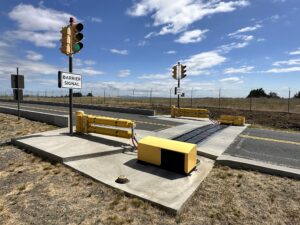
In the desert heat and demanding conditions of Phoenix, Tucson, Mesa, Scottsdale, and other Southwest regions, well-maintained perimeter security is not just a luxury — it’s a necessity. We specialize in preventative maintenance and repair for both active and passive vehicle barrier systems to minimize downtime and protect your property.
Our team of highly trained technicians is deeply familiar with the unique challenges faced in Arizona — from extreme temperatures to dust-laden winds — and delivers maintenance plans that are tailored specifically for this environment.
Flexible Service Plans to Fit Your Needs
We offer a variety of service agreements to meet the specific security needs of your facility:
One-time system evaluation — Ideal for a quick health check of your perimeter.
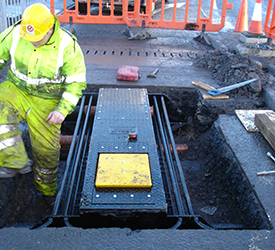
Ongoing maintenance — Monthly, semi-annual, or annual inspections to proactively detect issues before they become critical.
24/7 Emergency Response — Rapid repair services when unexpected failures occur.
By catching wear and faults early, we help you avoid costly disruptions and maintain continuous operation of your barrier systems in high-risk environments.
Comprehensive Repair & Support
Our experienced technicians are equipped to handle repairs, troubleshooting, and maintenance across a wide range of perimeter protection equipment, including:
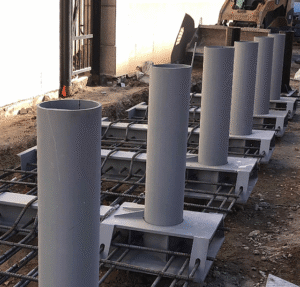
Bollards (crash-rated, shallow-mount, removable, fixed)
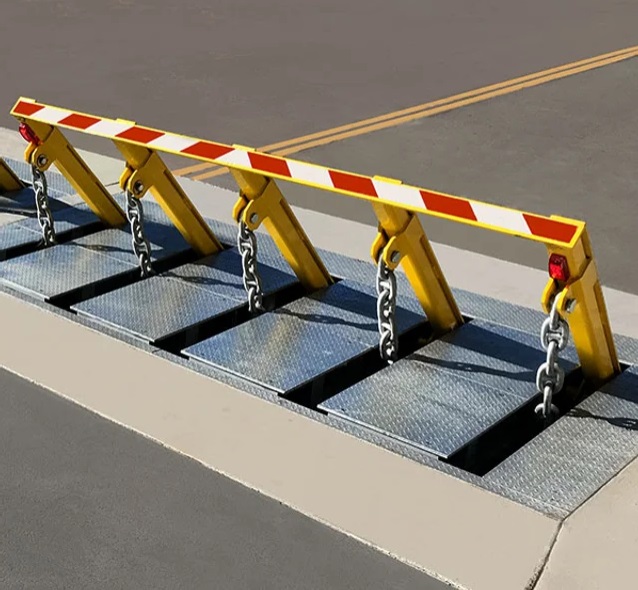
Wedge barriers
Crash beams
Hydraulic and electric power units (HPUs/EPUs)
Gate arms, operators, and hydraulic gates
Control systems, panels, and electromechanical conversions
High-security features like Tiger Teeth
We also service:
Drop-arm and net barriers
Traffic spike barriers
Concrete highway barriers
Traffic lights
Photo eye systems
Security booths, crash fencing, and gate loops
Battery backups, control cabinets (both standard and climate controlled)
Why BarrierStop Is the Right Choice for Arizona
Local Expertise
With decades of experience, BarrierStop understands the operational and environmental demands of the Southwest. We know what barrier systems need to remain reliable under intense heat, duststorms, and wide temperature swings.Safety as a Priority
Unexpected barrier failures can compromise safety — that’s why we emphasize preventative care. Our maintenance strategy reduces risk and ensures your security systems work when they matter most.Rapid, Reliable Response
Located in the heart of Arizona, we can mobilize quickly when equipment fails, minimizing downtime and protecting your critical infrastructure.Customized Plans
Whether for government facilities, schools, commercial sites, or private properties across Maricopa County, Pima County, Pinal County and beyond, our maintenance programs are built around your operation’s rhythm.
Contact Us Today
To schedule a barrier system inspection, repair, or maintenance contract in Phoenix, Tucson, Mesa, or elsewhere in the Southwest, call (602) 489-4392 or use our online form for a free, no-obligation quote.
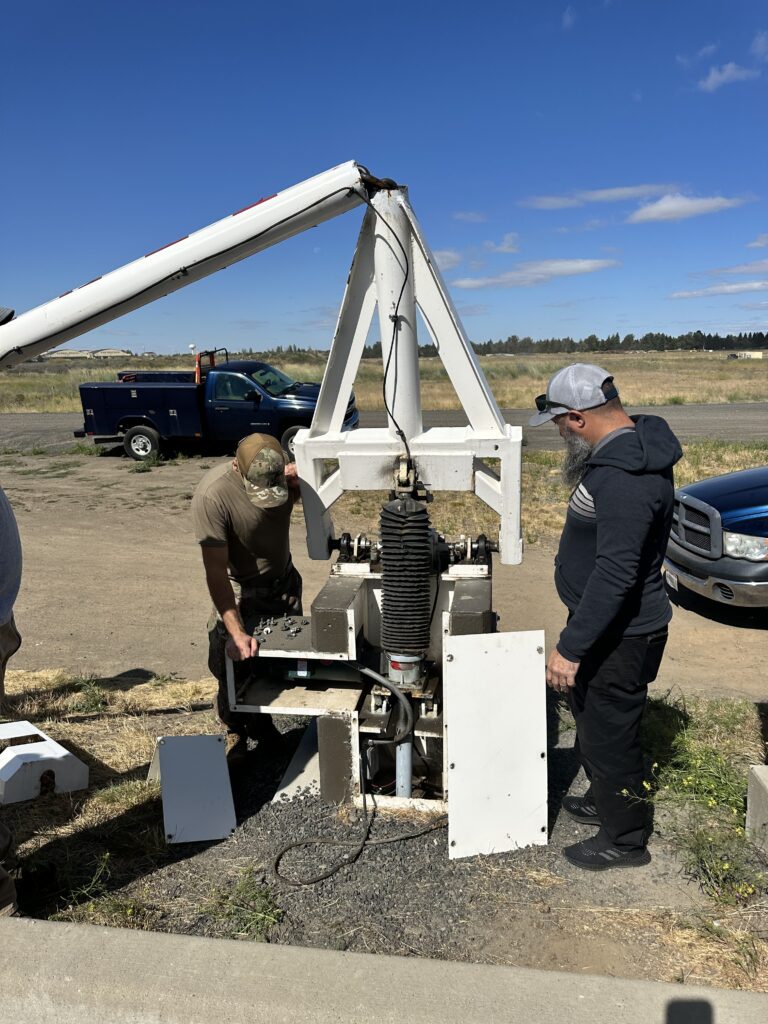
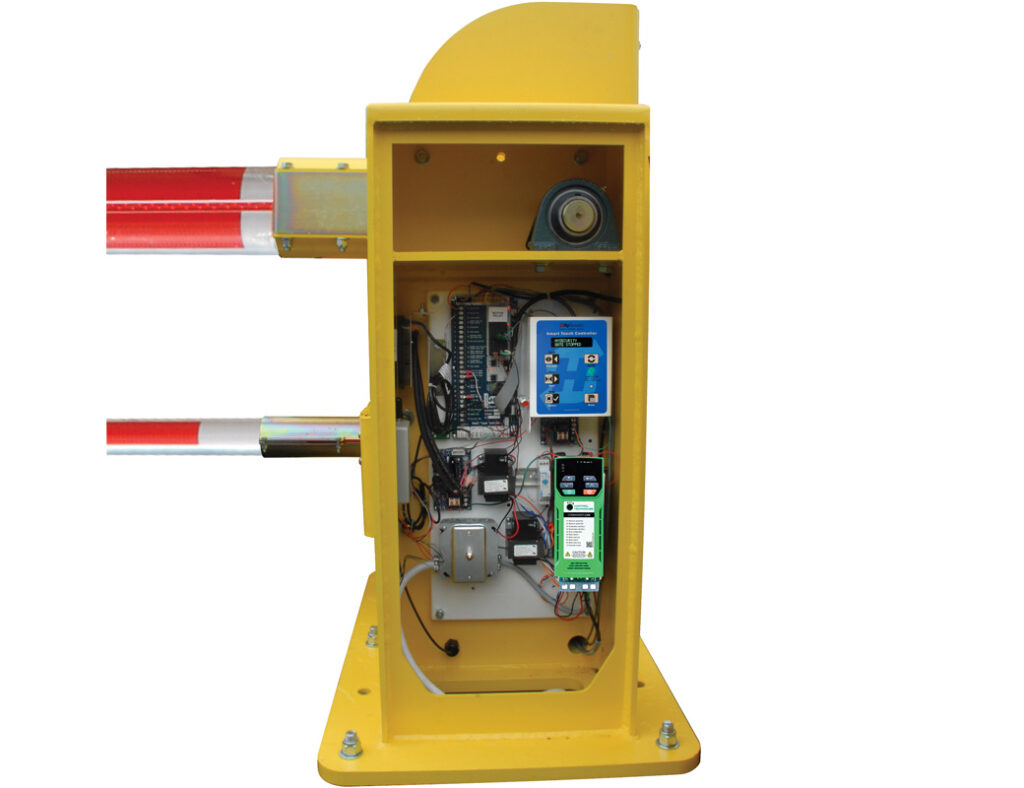
SERVICING ALL BARRIERS @ MILITARY INSTILLATIONS THROUGHOUT THE WESTERN USA:
Major Military Bases in the Western and Southwest United States
Looking for information on major military bases in the Western and Southwestern U.S.? Here’s a comprehensive guide, organized by state, including Army, Air Force, Space Force, Navy, and National Guard installations.
Arizona Military Bases
Arizona hosts some of the most significant U.S. military facilities in the Southwest. Key installations include:
Davis‑Monthan Air Force Base (Air Force) – Home to operational squadrons and critical support functions.
Luke Air Force Base (Air Force) – A primary pilot training base for fighter aircraft.
Fort Huachuca (Army) – Center for military intelligence training and operations.
Yuma Proving Ground (Army) – Major testing and training range for weapons and vehicles.
Camp Navajo (Arizona National Guard) – Supports training and logistics for National Guard units.
California Military Bases
California is home to a wide range of military facilities, from naval bases to Air Force and Army installations:
Beale Air Force Base (Air Force) – Strategic reconnaissance and intelligence missions.
Vandenberg Space Force Base (Space Force) – Space launch and missile testing hub.
March Air Reserve Base (Air Force Reserve) – Key reserve and mobility operations.
Naval Base San Diego (Navy) – Largest Navy base on the West Coast.
Naval Amphibious Base Coronado (Navy) – Supports amphibious warfare and training.
Naval Base Point Loma (Navy) – Submarine and fleet support operations.
Fort Irwin National Training Center (Army) – Extensive training environment for Army units.
Presidio of Monterey (Army) – Language and cultural training for military personnel.
Camp Roberts (Army National Guard) – Supports National Guard training and readiness.
Washington Military Bases
Washington State hosts key Army and Air Force installations:
Joint Base Lewis–McChord (Army + Air Force) – One of the largest military bases in the U.S., supporting combat readiness.
Fairchild Air Force Base (Air Force) – Strategic airlift and refueling operations.
Oregon Military Bases
Oregon has a smaller number of large bases, primarily serving training and National Guard purposes:
Camp Withycombe (Army National Guard) – Focused on readiness and training for Guard units.
Nevada Military Bases
Nevada’s military presence is concentrated on Air Force and test ranges:
Nellis Air Force Base (Air Force) – A major Air Force training and combat operations center.
Various smaller test ranges – Supporting weapons testing and military training in remote desert areas.
Utah Military Bases
Utah contains key testing and training facilities:
Dugway Proving Ground (Army) – Major testing and research site for military equipment.
Other smaller installations – Serve as specialized training and testing areas.
Colorado Military Bases
Colorado hosts several Army, Air Force, and Space Force installations:
Fort Carson (Army) – Large Army post with extensive training grounds.
Buckley Space Force Base (Space Force) – Space operations and missile warning systems.
Peterson Space Force Base (Space Force) – Command and control for space missions.
Schriever Space Force Base (Space Force) – Satellite operations and space command.
Cheyenne Mountain Space Force Station (Space Force) – Aerospace defense and monitoring.
United States Air Force Academy – Premier Air Force officer training institution.
Pueblo Chemical Depot – Storage and disposal of chemical munitions.
Rocky Mountain Arsenal – Formerly a major military and chemical weapons site.
New Mexico Military Bases
New Mexico is home to several critical Air Force and Army installations:
Kirtland Air Force Base (Air Force) – Nuclear research and Air Force Materiel Command operations.
Holloman Air Force Base (Air Force) – Pilot training and missile testing.
Cannon Air Force Base (Special Operations) – Supports Air Force special operations units.
White Sands Missile Range (Army) – Major testing site for missiles and military equipment.
Fort Wingate Depot Activity (Army) – Logistics and munitions storage.
Texas Military Bases
Texas hosts some of the largest Army installations in the Western U.S.:
Fort Bliss (Army) – Covers parts of Texas and New Mexico; major training and operational hub.
Fort Hood (Army) – One of the largest active-duty Army posts in the country.