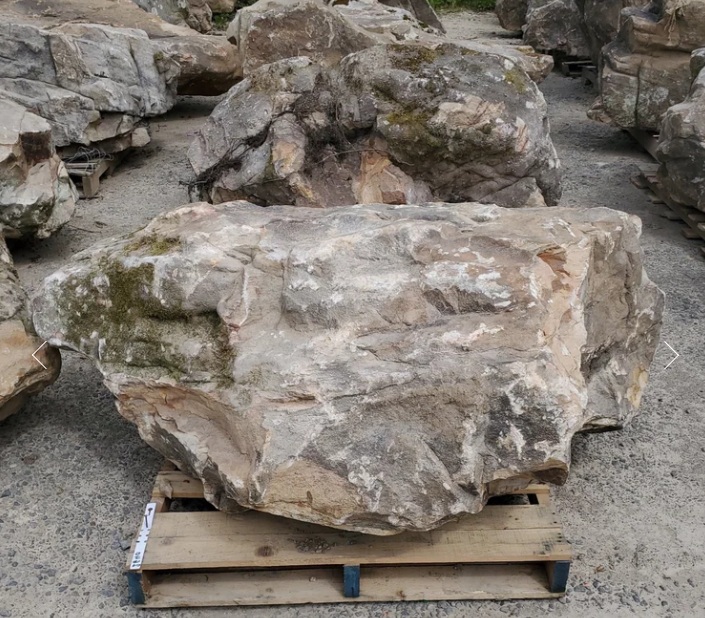
Description
Why Choose BarrierStop.com for Your Next Barrier Project
Barrier Stop provides natural stone barrier solutions that combine dependable vehicle mitigation with professional installation and attractive landscape integration. Our team works closely with property owners, contractors, architects, and facility managers to create effective perimeter protection using carefully selected rocks and boulders that complement the surrounding environment while helping improve site security.
Natural Security, Expertly Designed
Every property presents different security and layout challenges. Barrier Stop begins each project by evaluating vehicle access points, traffic flow, and landscape requirements to recommend the most effective placement strategy.
Rather than relying solely on traditional security barriers, natural boulders provide an attractive way to define secure spaces while blending seamlessly into commercial, municipal, recreational, and public environments.
The Barrier Stop Advantage
Barrier Stop delivers complete project support from planning through final placement.
Benefits include:
- Professionally planned boulder placement for improved vehicle control
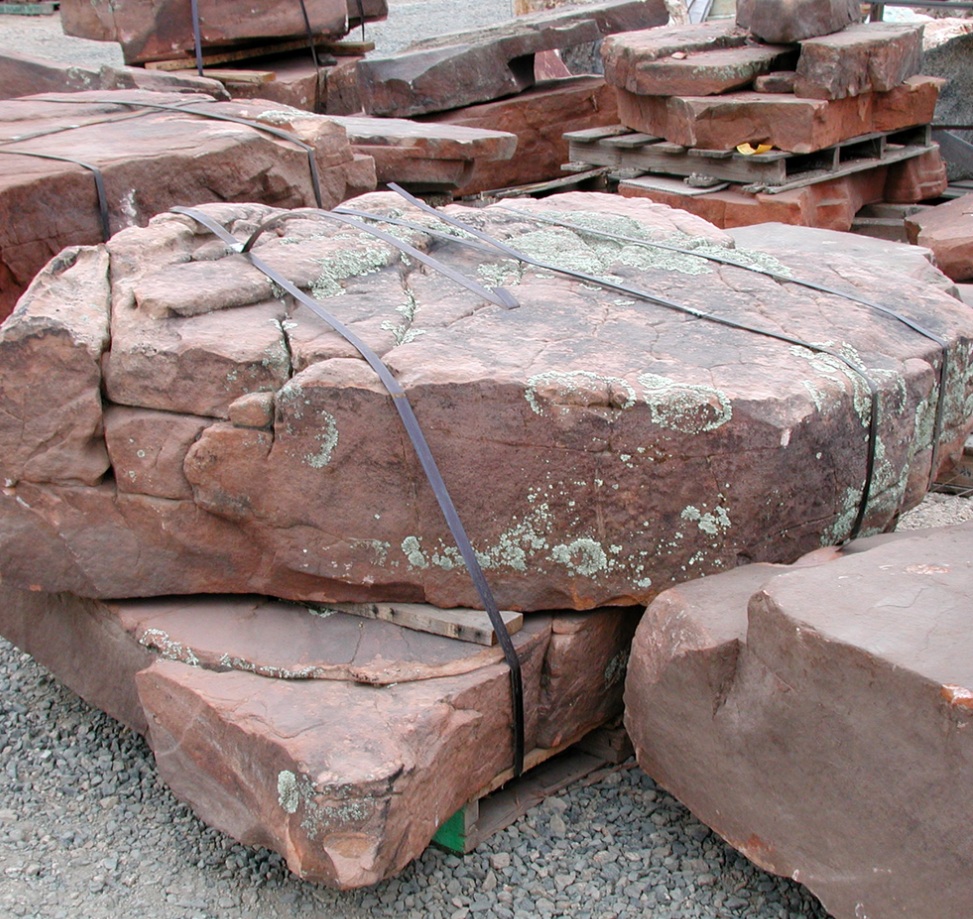
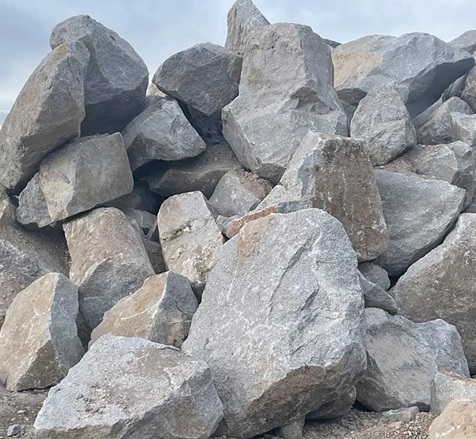
- Wide selection of natural stone materials to match project requirements
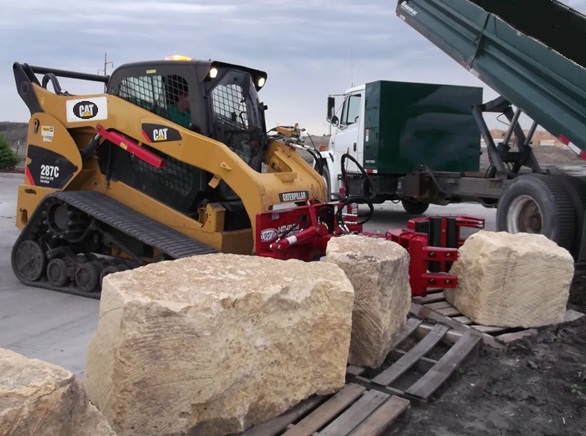
- Experienced delivery and installation services
- Security solutions that complement existing landscaping
- Durable, low-maintenance protection for long-term performance
- Experience supporting commercial, municipal, institutional, and government projects
Where Boulder Barriers Work Best
Natural rock barriers are well suited for a variety of locations, including:
- Churches and places of worship
- Building entrances and public plazas
- Stadiums and event venues
- Parks and pedestrian areas
- Schools and government facilities
- Critical infrastructure and utility sites
Beautiful Strength, Built to Last
Natural stone barriers provide a practical combination of durability and visual appeal. Their substantial weight helps discourage unauthorized vehicle access while creating an attractive perimeter that complements surrounding landscapes.
Unlike many manufactured barriers, natural boulders require very little maintenance and continue to perform for many years in demanding outdoor environments.
Protect What Matters Most
Whether protecting a single entrance or securing an entire property, Barrier Stop provides professionally installed boulder barrier solutions tailored to each site’s operational and security requirements.
Our team can recommend the right combination of natural stone barriers, traffic control products, and vehicle access solutions to help improve perimeter security while maintaining an attractive appearance.
BarrierStop.com — Secure Naturally. Protect Confidently.
Contact Us Today
Call (602) 489-4392 to schedule a consultation and learn how Barrier Stop’s natural rock and boulder barrier solutions can help protect your property.
Barrier Stop can also integrate a Manual Drop Arm Vehicle Barrier with many large boulders or reinforced concrete bases, creating an effective solution for controlling vehicle access at driveways, private roads, and facility entrances.

Boulder Weight Estimation Guide
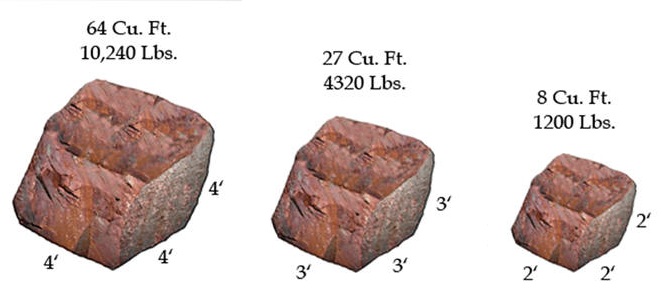
Estimating boulder weight is an important step when planning transportation, lifting equipment, installation, and overall site logistics. The following guide provides commonly used density values and a simple calculation method for estimating the weight of natural stone barriers.
Average Boulder Weight by Material
Different stone materials have varying densities. Typical estimates include:
- Sandstone: Approximately 150 lbs per cubic foot
- Limestone: Approximately 175 lbs per cubic foot
- Granite: Approximately 175 lbs per cubic foot
Higher-density materials generally provide greater mass and may be preferred for applications requiring enhanced vehicle mitigation.
How to Calculate Boulder Weight (Step-by-Step)
1. Measure the Boulder
Measure the length, width, and height in feet.
2. Calculate the Volume
Multiply the three dimensions to determine the total cubic feet.
Volume (cu ft) = Length × Width × Height
3. Multiply by Material Density
Multiply the calculated volume by the appropriate density value.
Weight (lbs) = Volume × lbs per cubic foot
4. Convert Pounds to Tons
Divide the total weight by 2,000.
Tons = Pounds ÷ 2,000
Example Calculation
For a sandstone boulder measuring 3 ft × 2 ft × 2 ft:
- Volume = 12 cubic feet
- Weight = 12 × 150 = 1,800 lbs
- Weight = 1,800 ÷ 2,000 = 0.9 tons
Why Accurate Boulder Weight Matters
Estimating boulder weight helps simplify project planning and installation by assisting with:
- Equipment selection
- Transportation planning
- Safe installation procedures
- Site layout and placement
- Comparing barrier sizes for different security applications
Barrier Stop can also provide guidance on selecting appropriate boulder sizes based on project requirements, site conditions, and vehicle mitigation objectives.